

Who is SRS
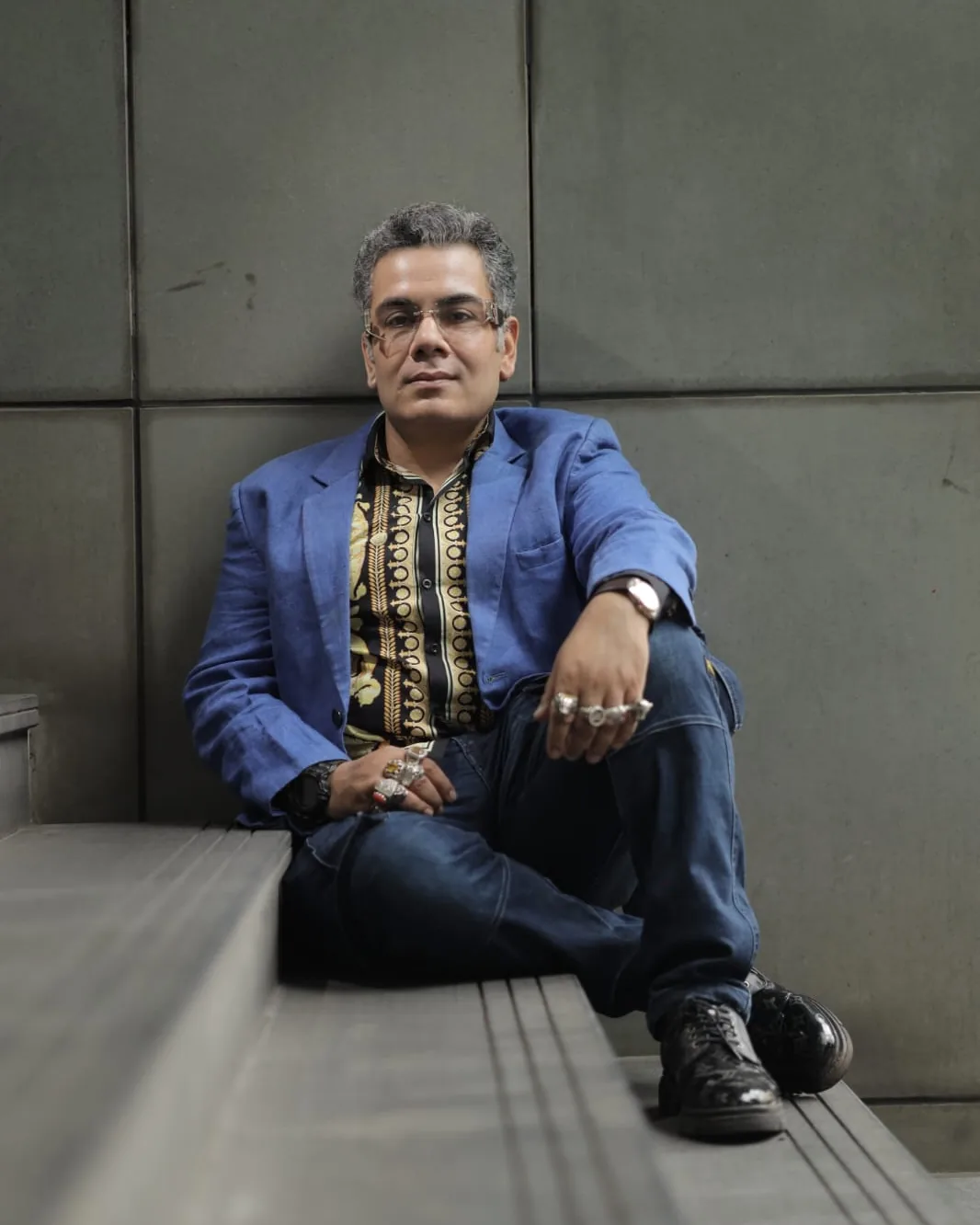
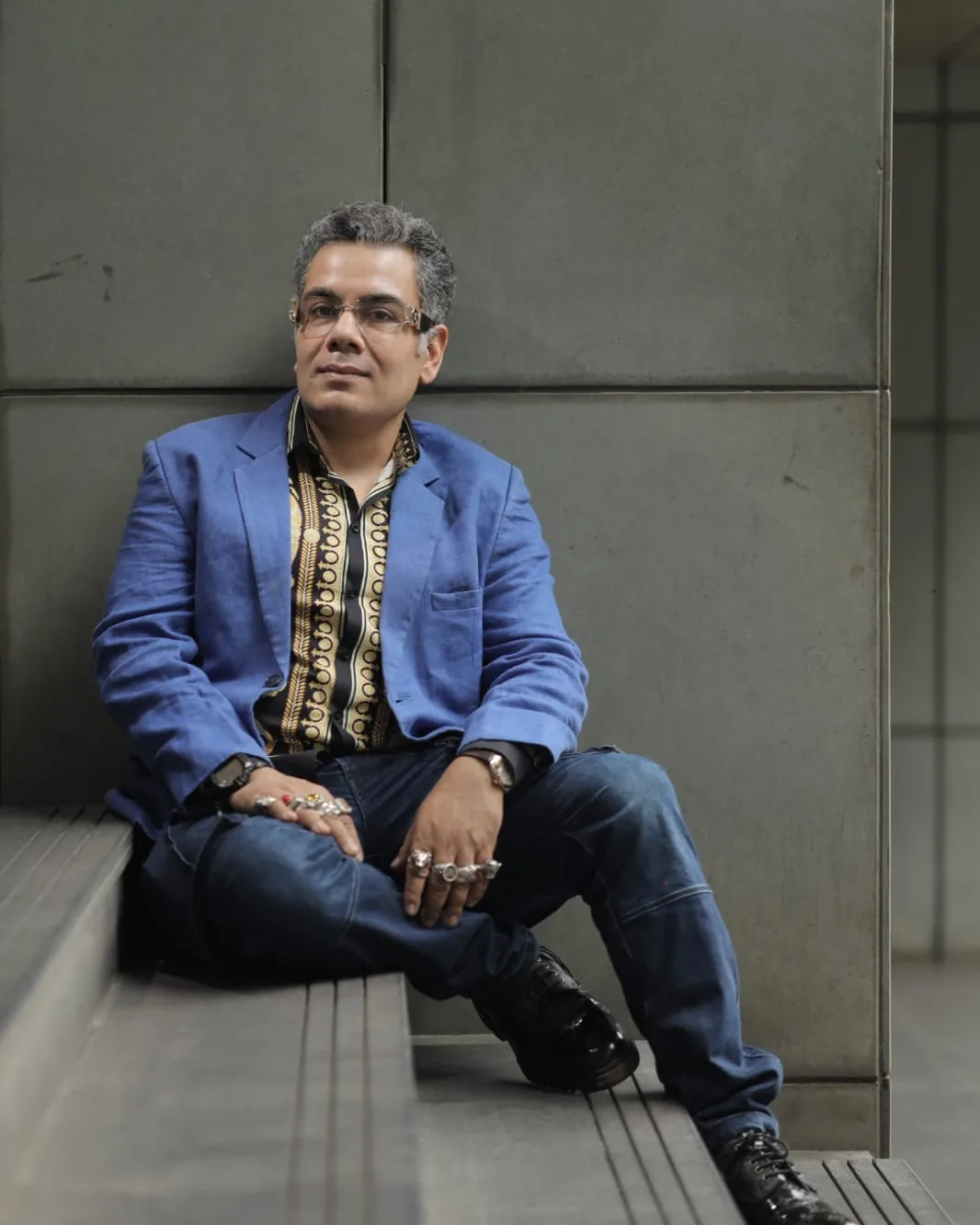
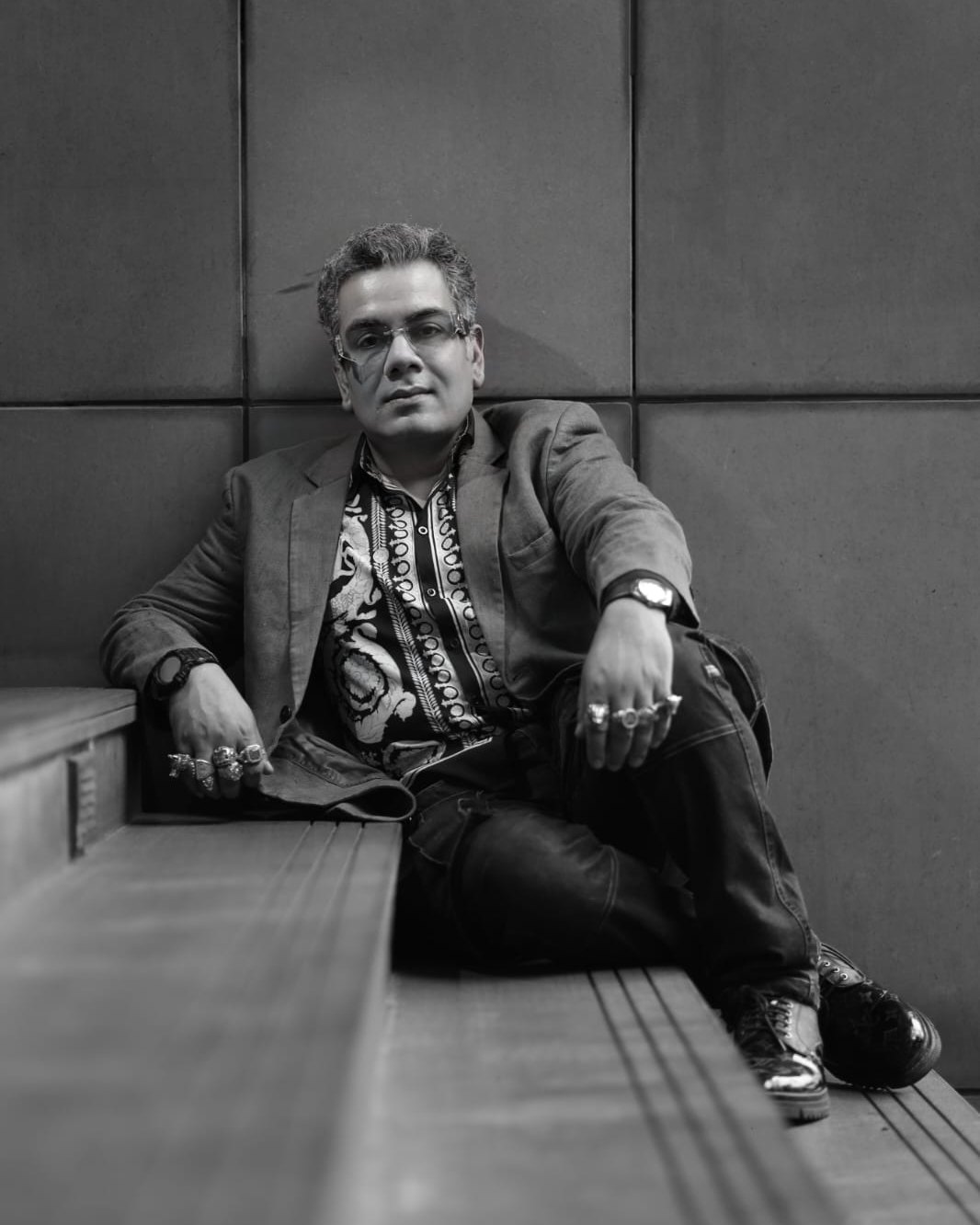
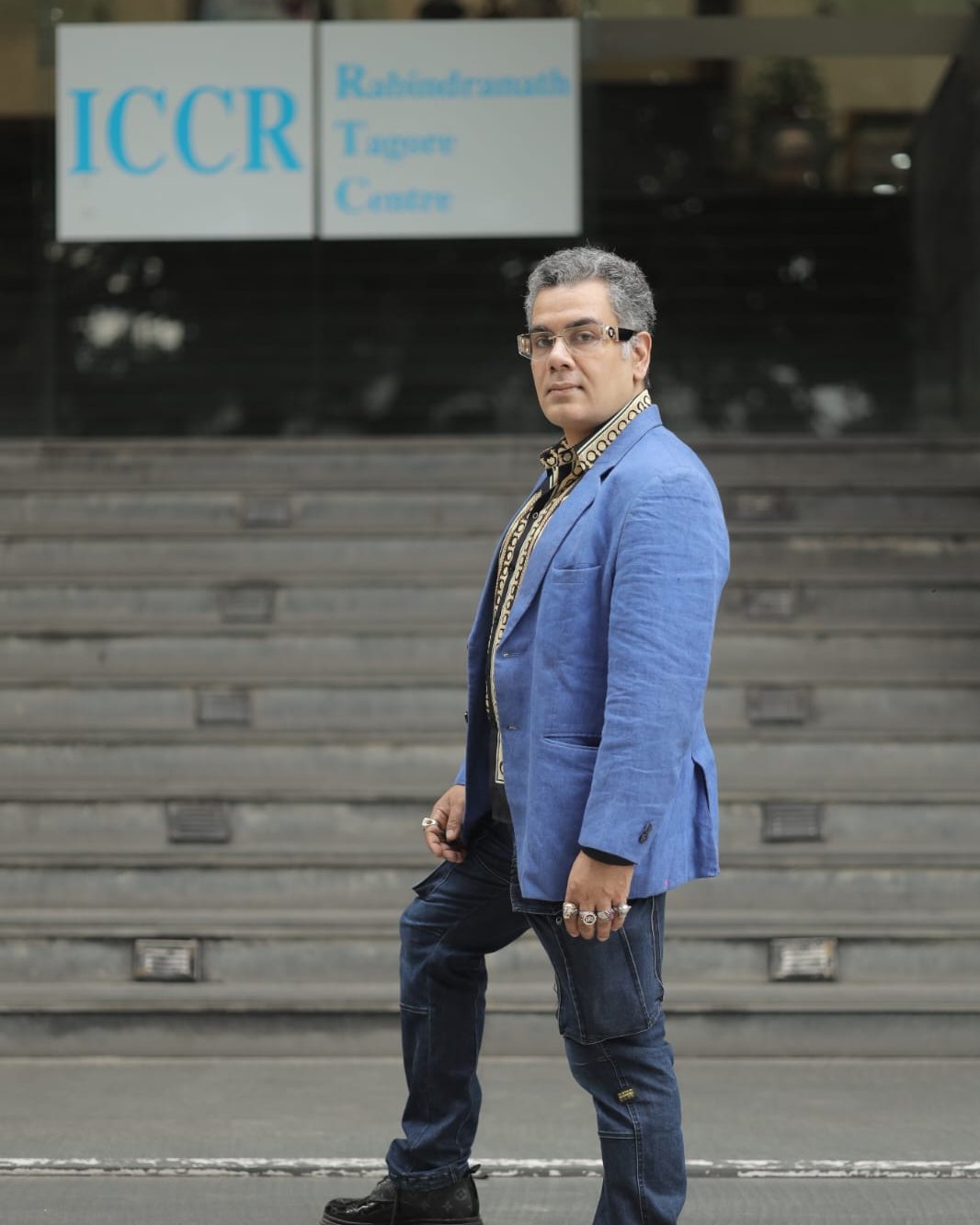
Sudeep Ranjan Sarkar
Filmmaker • Psychologist • Philosopher • Painter • Poet & Artist
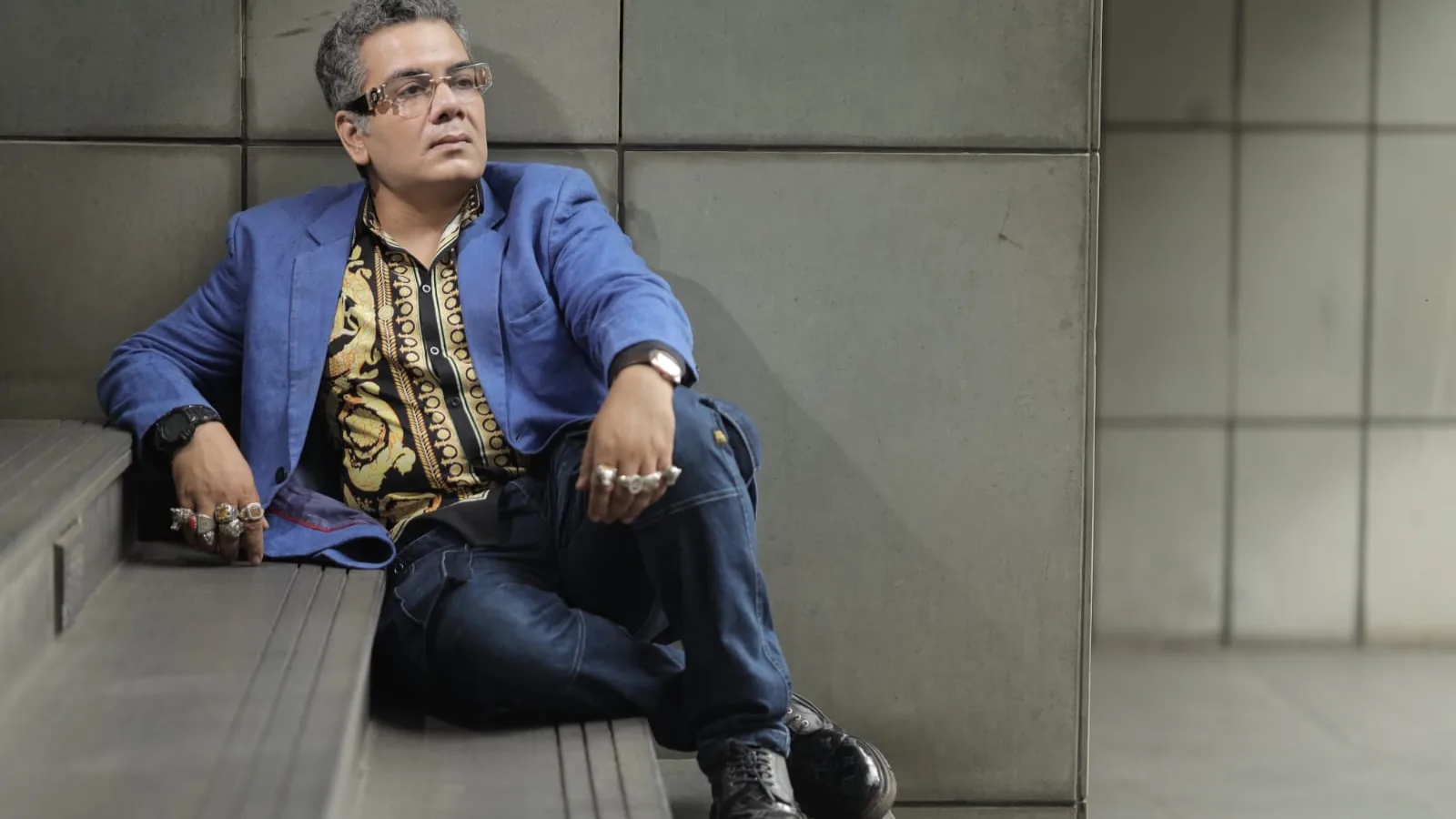
Sudeep Ranjan Sarkar, known widely as SRS, was born in Dhanbad and arrived in Kolkata to chart his own narrative. Over twenty years, his life has been an arc of deliberate reinvention—creating an ecosystem spanning cinema, an international film festival, literature, impressionist painting, and a contemporary fashion house.
From corporate leadership and management institutions into filmmaking, philosophy, and cultural institution building, ideas travel freely between disciplines. He came to cinema late, with no lineage and no patronage—turning radical independence into pure creative freedom.
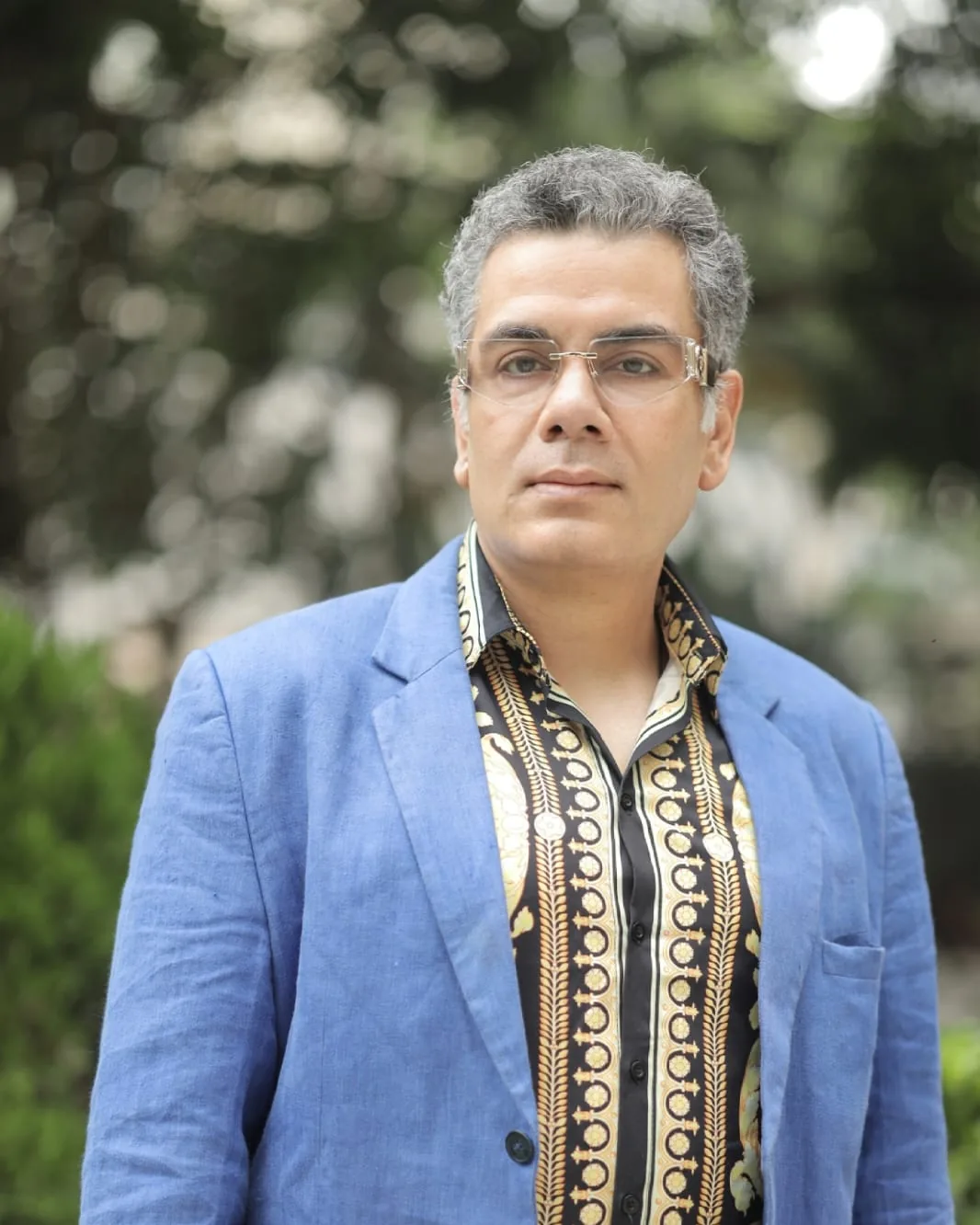
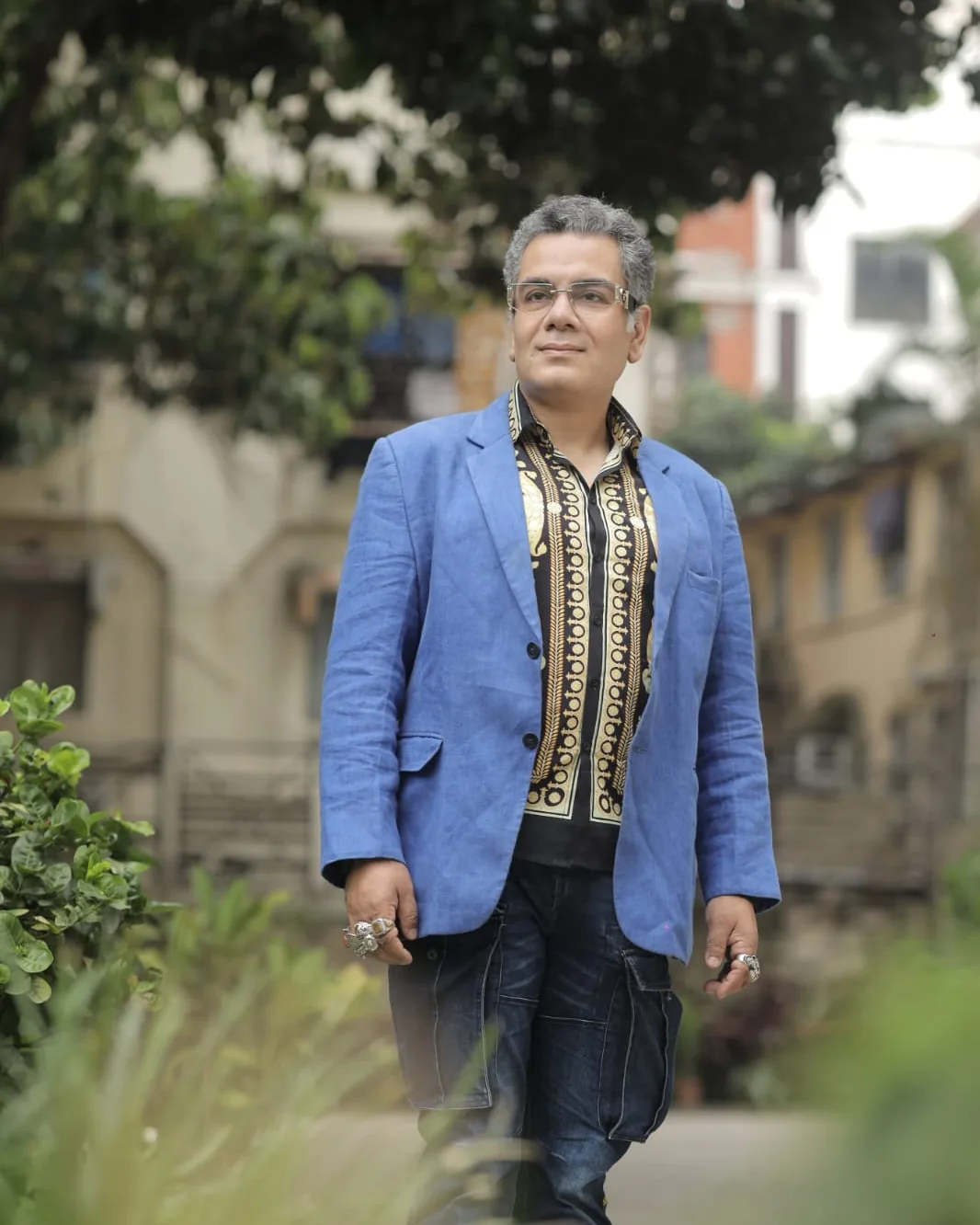
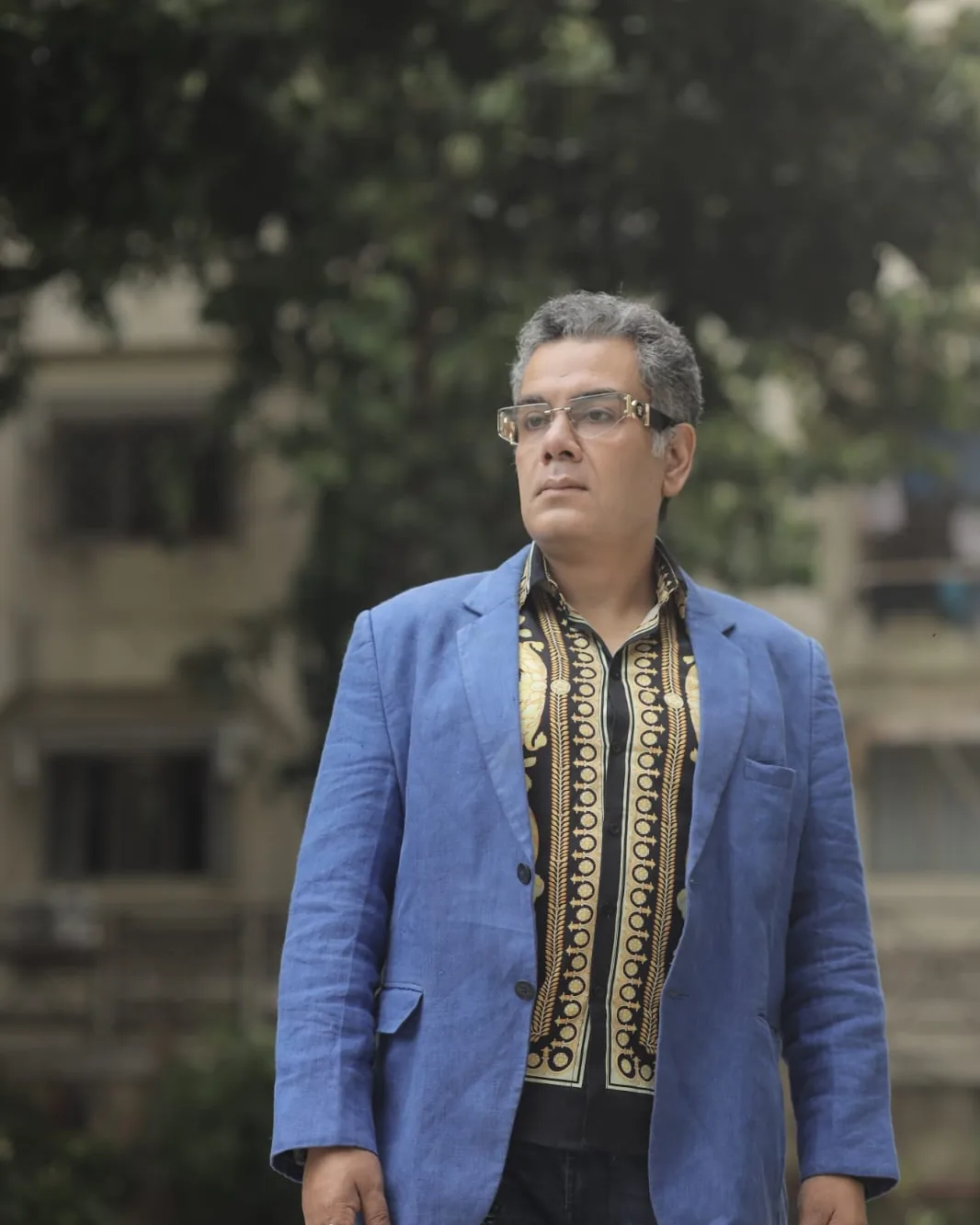
Intellect & Foundation
Education and the Autodidact
A cross-disciplinary intelligence uniting psychology, management, literature, and philosophical inquiry.
He held senior corporate roles, then moved into education, working in management institutions in senior leadership capacities, and eventually founding his own institution in Kolkata.
He studied English Honours at Dumdum Motijheel College in Kolkata, and subsequently pursued further studies in Psychology and Management through distance learning institutions—a deliberate choice that reflects the autodidactic, cross-disciplinary intelligence defining his entire career, and one he continues to embody as he seeks new horizons in cinema, writing, and philosophy.
Rather than compartmentalizing disciplines, Sarkar draws freely on behavioral psychology, literary structure, and institutional leadership to inform his cinematic and aesthetic creations.
The Cinema of SRS
Sudeep Ranjan Sarkar has crafted his own genre internationally, making movies that are radically different in body and spirit from what Indian filmmakers have produced to date. He has transcended the boundaries of regional cinema of Bengal and Bollywood and moved into global storytelling: a juxtaposition of art, philosophy, poetry, and prose.
Across fourteen years he has completed eleven feature films, and his record-breaking achievement includes creating five full-length feature films with smartphones, treating technological limitation as a route to creative freedom. His films—Umformung: The Transformation, Paradiso, Lust, Glorious Dead, The Death of Spring, and Notes to a Lover—explore spiritual, sensual, and existential questions in depth.
His work is compared with European masters Luis Buñuel, Aki Kaurismäki, and Béla Tarr. He will not make the boy-meets-girl film. He refuses stars, beginning instead with the expressive human face, and disavows conventional scripts in pursuit of raw authenticity.
In production: Grassan (Grief of the Sun), in Bengali and Italian, with Paola Bonacina and Roger Fratter.
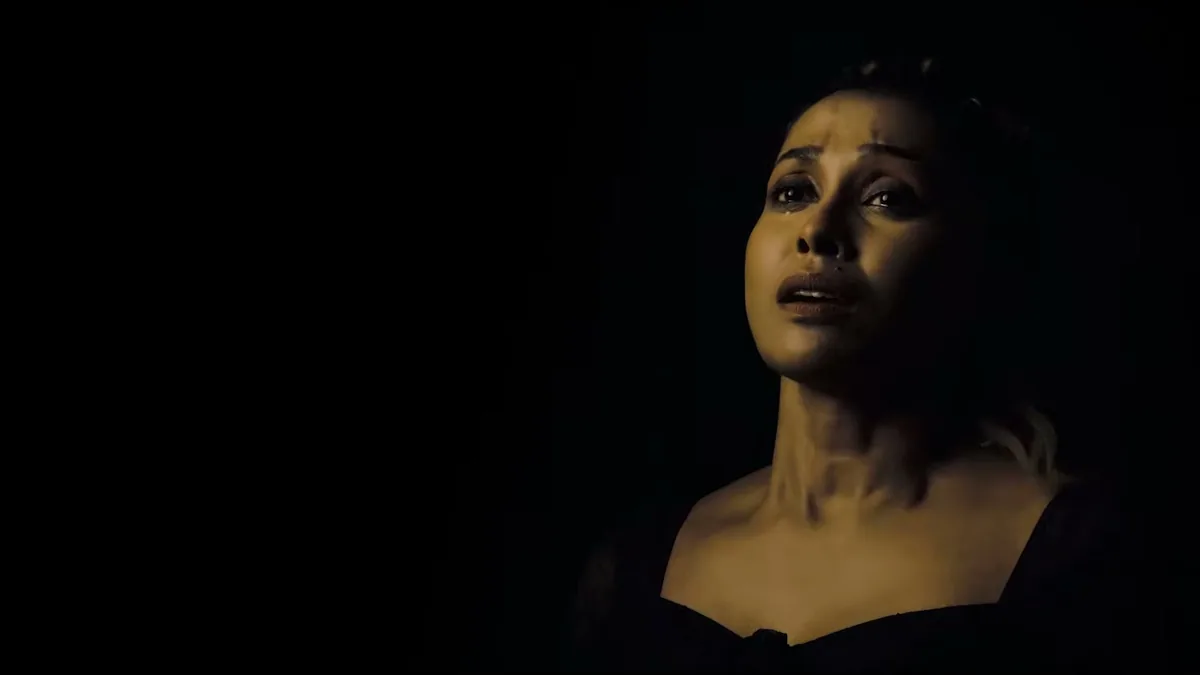
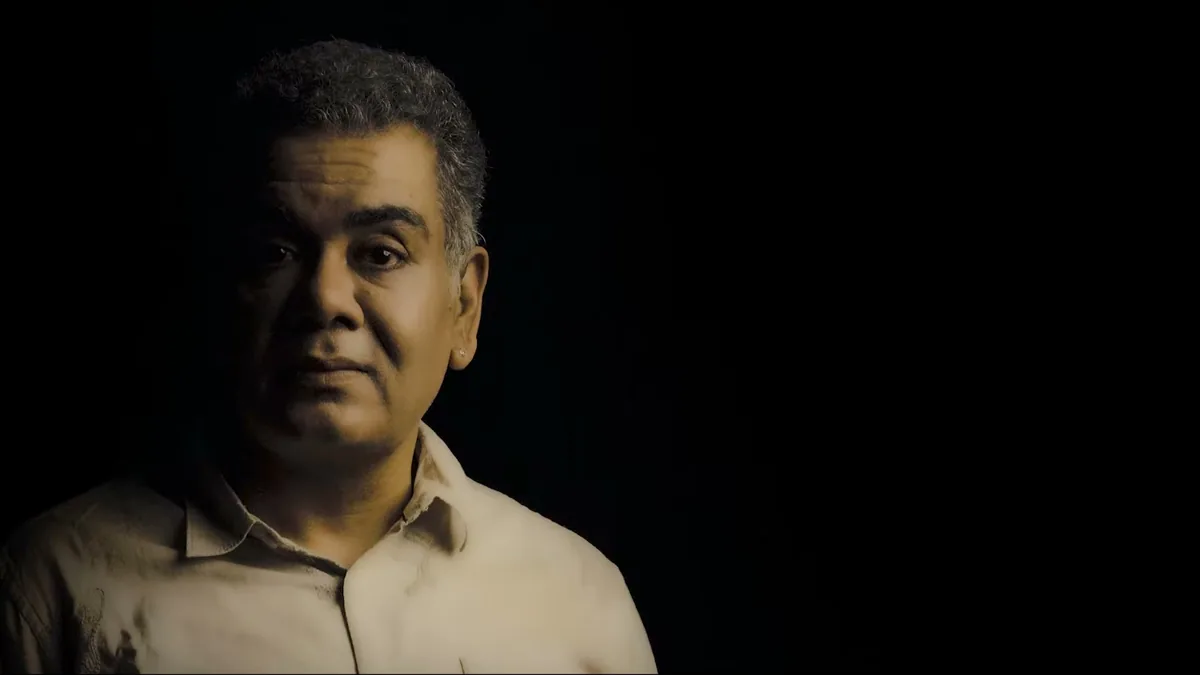
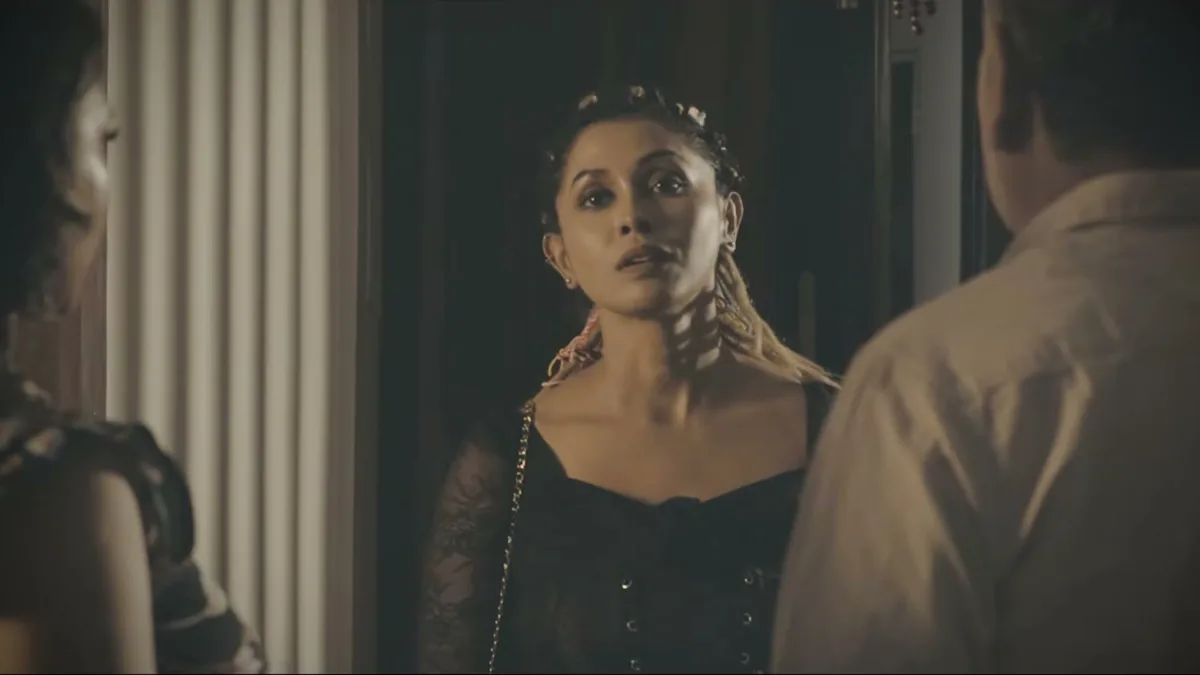
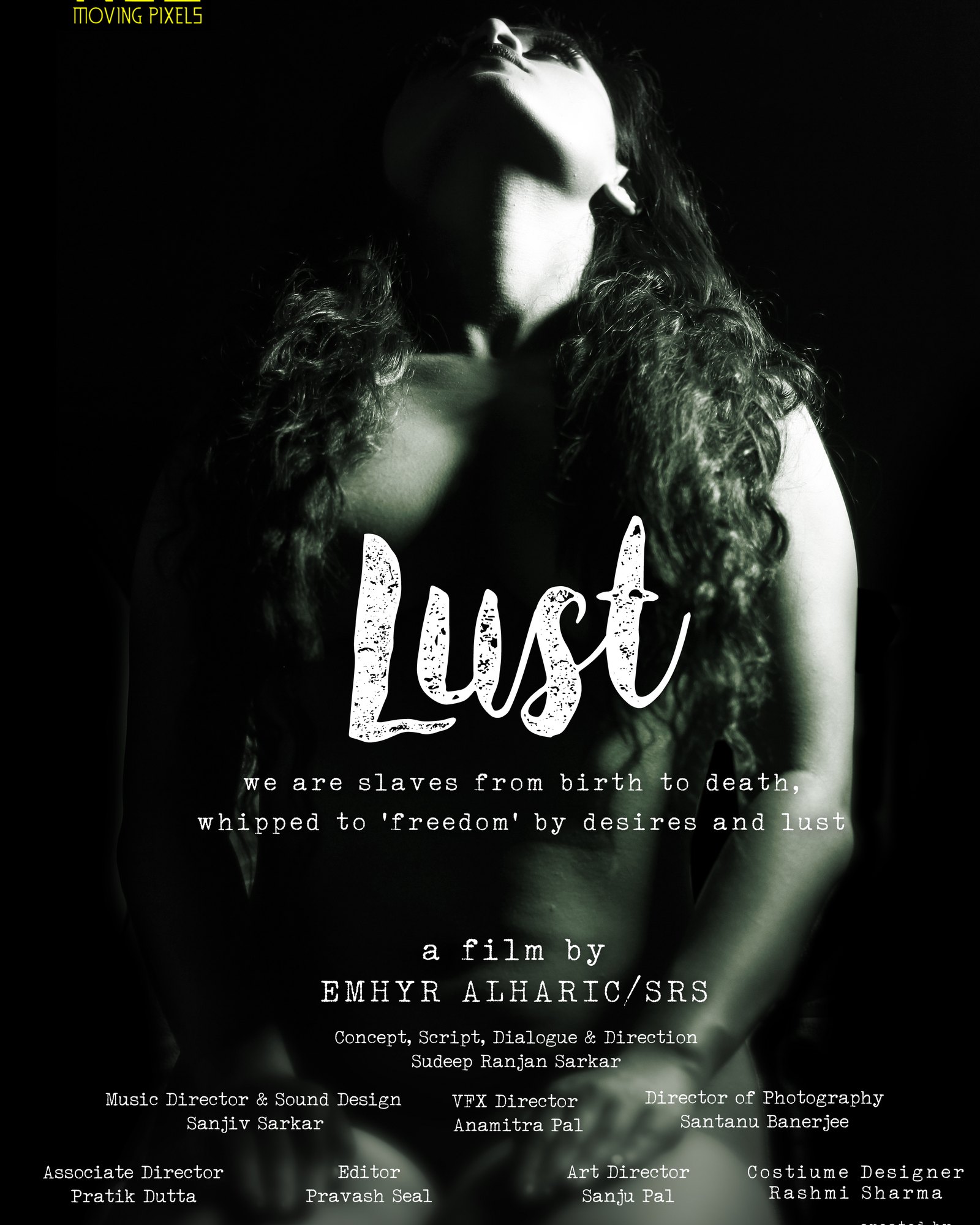
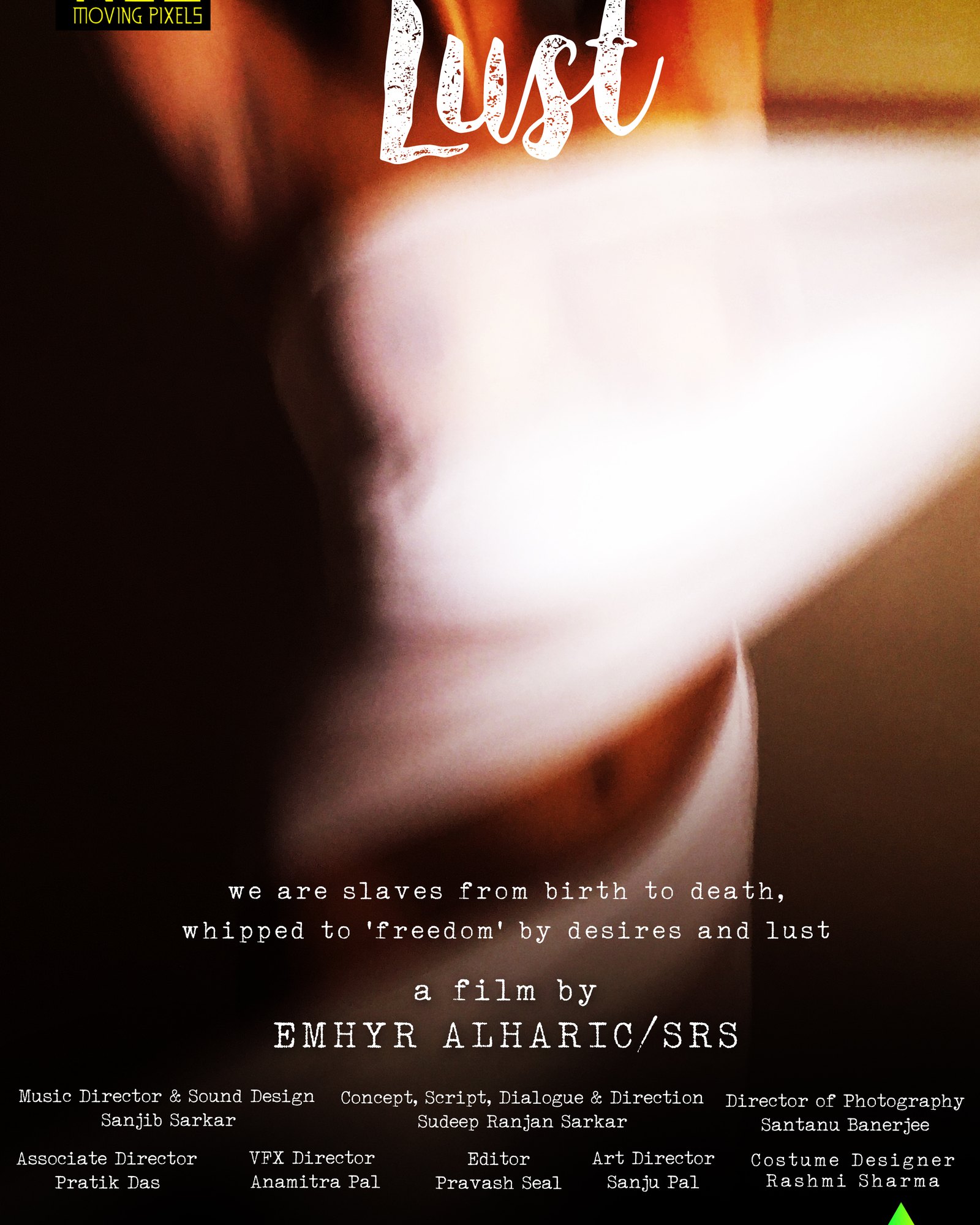
Lust • Premiered at the 71st Cannes Film Festival



Honours & Laurels
Cannes, Awards and Recognition
International festival circuit recognition across India, Europe, and the United States.
In April 2018 the Times of India reported that Lust would have its world premiere during the 71st Cannes Film Festival, and he was especially feted at the American Pavilion at Cannes the following year. The work has gone on collecting festival recognition across India and abroad.
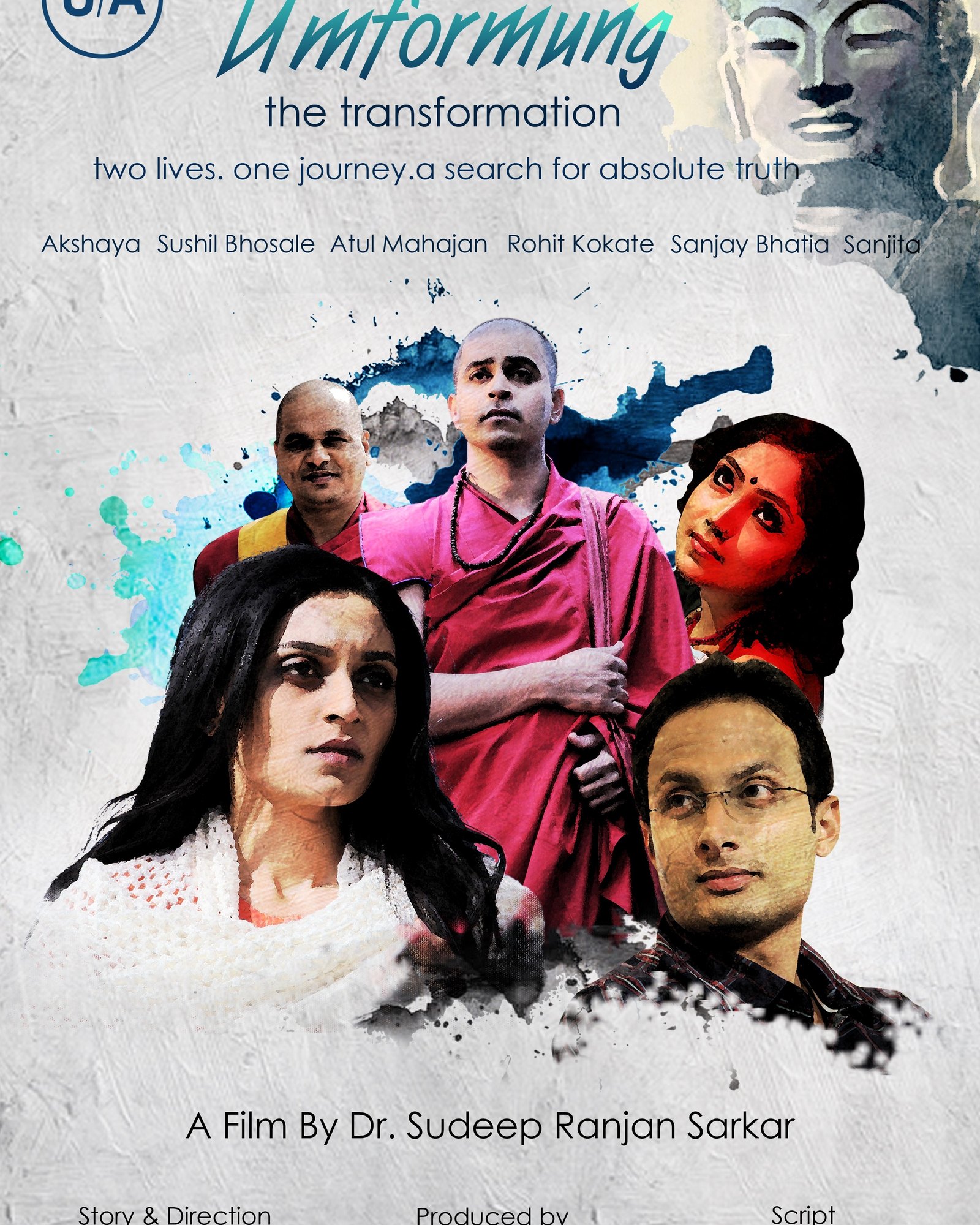
Umformung, shot on a Canon camera, bagged nineteen awards and was screened in Kolkata in 2016 to an audience of forty sex workers and thirty Buddhist monks in the same room—an act of social provocation that earned national media coverage.
At the Dadasaheb Phalke Film Festival 2022, Sarkar was awarded Best Director (Jury) for Notes to a Lover from Jenny Adam and Her Beautiful Family.
71st Festival de Cannes • 2018
World Premiere of Lust
Celebrated world premiere at Cannes and honoured at the American Pavilion in Cannes the following year.
Dadasaheb Phalke Film Festival • 2022
Best Director (Jury)
Awarded for Notes to a Lover from Jenny Adam and Her Beautiful Family.
Umformung • 19 Festival Awards
Global Accolades & Social Screening
Nineteen festival honours and the landmark Kolkata premiere uniting monks and sex workers.
Independent Platform
Building an Independent Cinema Ecosystem
NEZ Moving Pixels and the NEZ International Film Festival—protecting independent cinema from market homogenization.
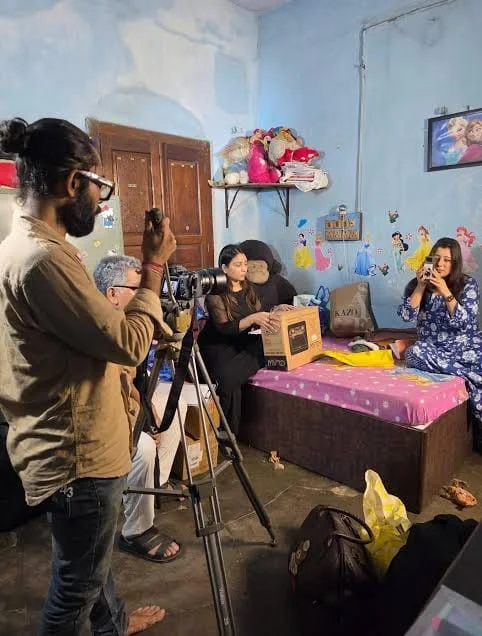
With Rita Jhawar, a chartered accountant and builder, he co-founded NEZ Moving Pixels in Kolkata. The production house carries his own films and also produces for other filmmakers.
He went on to found the NEZ International Film Festival, a decade-old boutique festival celebrating differently made films across the world, inspired by what Robert Redford built with Sundance: dedicated to discovering gems from independent cinema, and to holding space for films that would otherwise disappear beneath marketing, publicity and commercial scale.
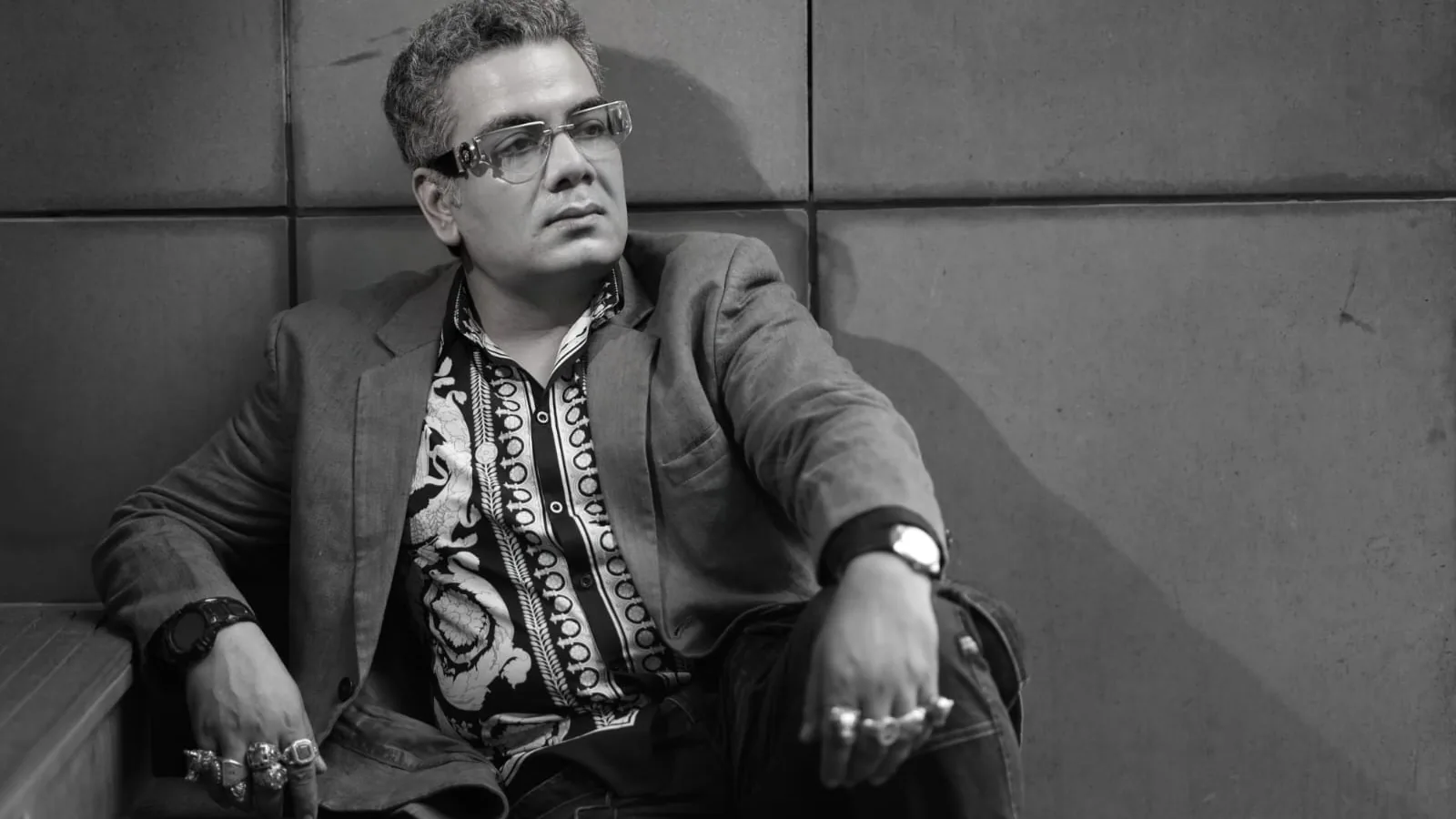
One Person, Many Creative Identities
A single unconditioned creative consciousness.
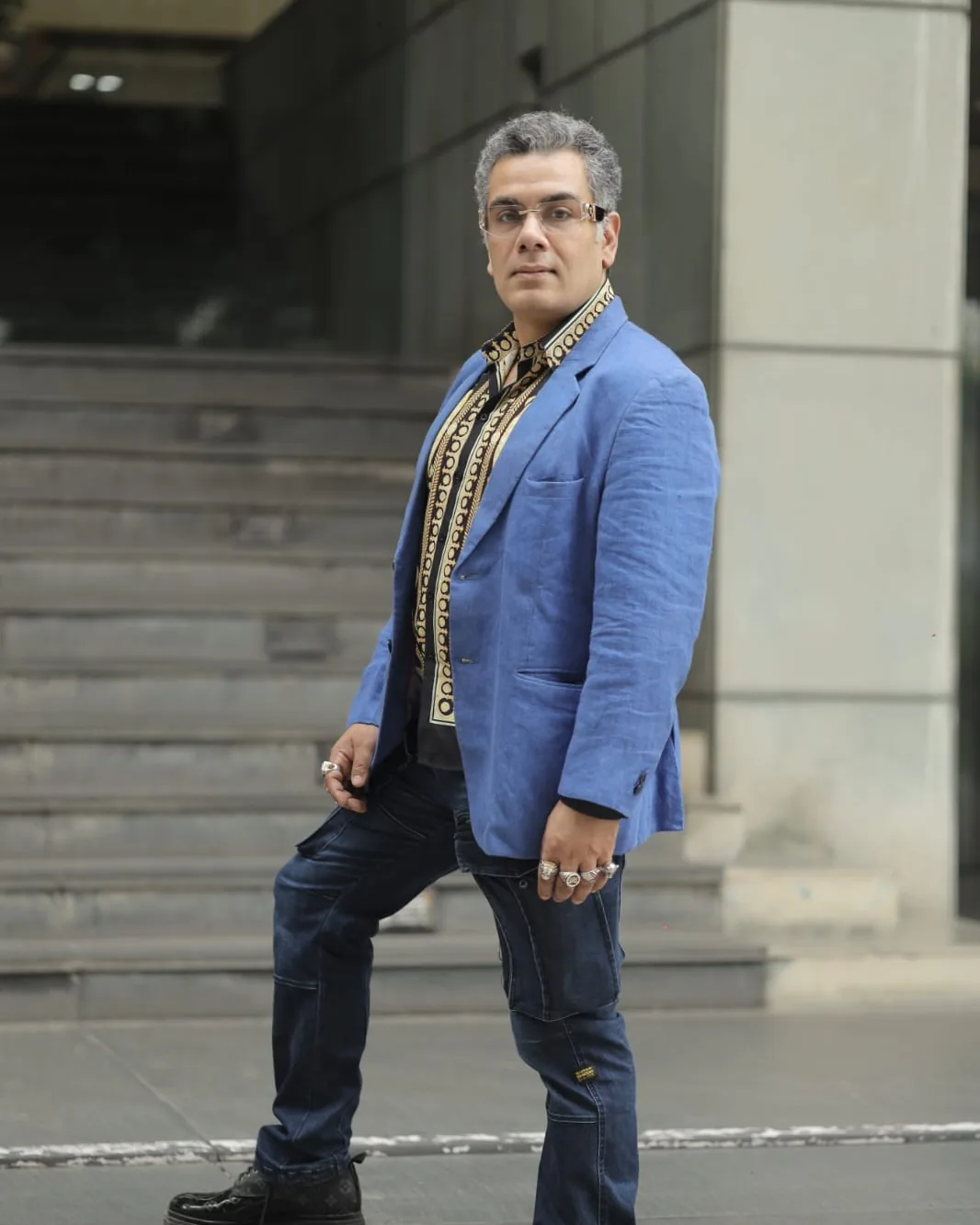
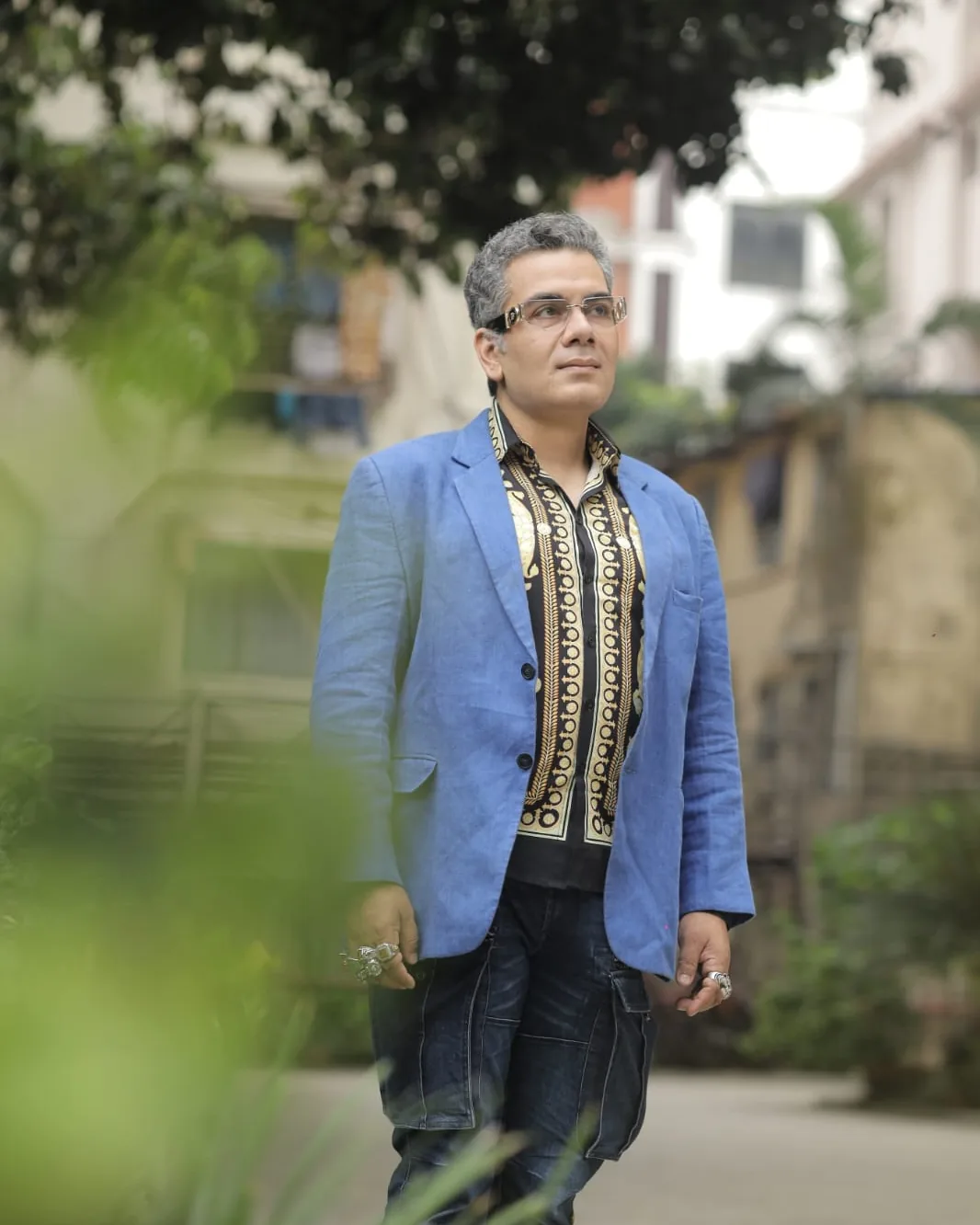
Sarkar is an English language poet, an Impressionist painter, a writer, a corporate leader, a management expert, and a filmmaker. He is known the world over as a sharp-witted philosopher in the footsteps of Jiddu Krishnamurti and U. G. Krishnamurti.
The names on the work are not always his own. Emhyr Alharic signs the films, Leo Romero the poetry, Theodore Adam I the writing and the philosophy, Leon Marcus V the visual art. They are not separate identities so much as different doors into the same creative consciousness.
Books • Writing
The Published Books
In Search of My Father, Loss of Thoughts, and Redefining Cinema: A Biography by Dr. Shoma A Chatterji.
Ethos & Future
Philosophy, Purpose and the Next Horizon
Freedom from inherited creative grammar—living and creating without the permission of convention.
At the centre of SRS is an insistence on freedom from inherited creative grammar. The work returns to truth, redemption, spirituality, dignity, and the right to create outside convention. There is a spiritual current under the films, closer to redemption than to instruction.
The next horizon reaches past cinema into books, theatre, analogue photography, education, philanthropy, and a contemporary accessories and fashion universe under SRS.
The fashion vision carries the same philosophical impulse: living without shame, guilt, or the permission of convention, and approaching style not simply as appearance but as conviction of spirit.
And this house: SRS SRSLY SINEMA STUDIO gives the small films a consistent rhythm on YouTube, while SRS Watches creates instruments for contemplation for those who contemplate time.
Body of work
Selected works across fourteen years. Tap any poster to enlarge, or watch releases and trailers on YouTube.
-
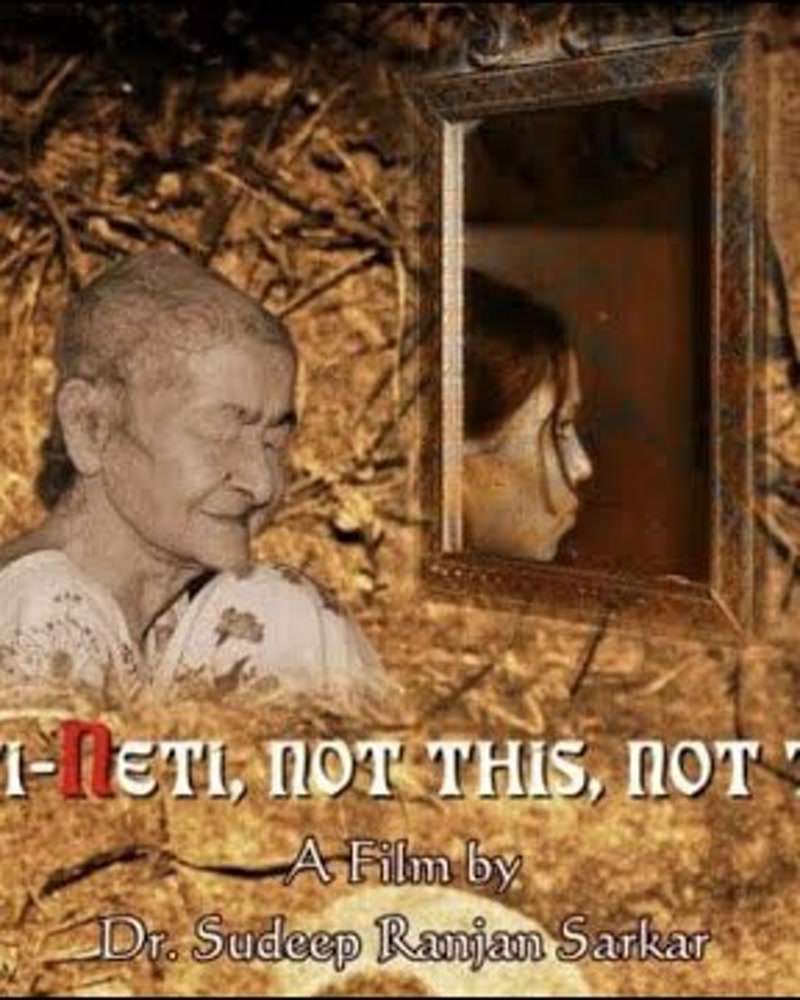
Neti Neti, Not This Not This, 2013, the first film
-
Umformung, The Transformation, 2016, karma as the whole architecture
-
Kolkata, 2016, premiered to monks and sex workers together
-
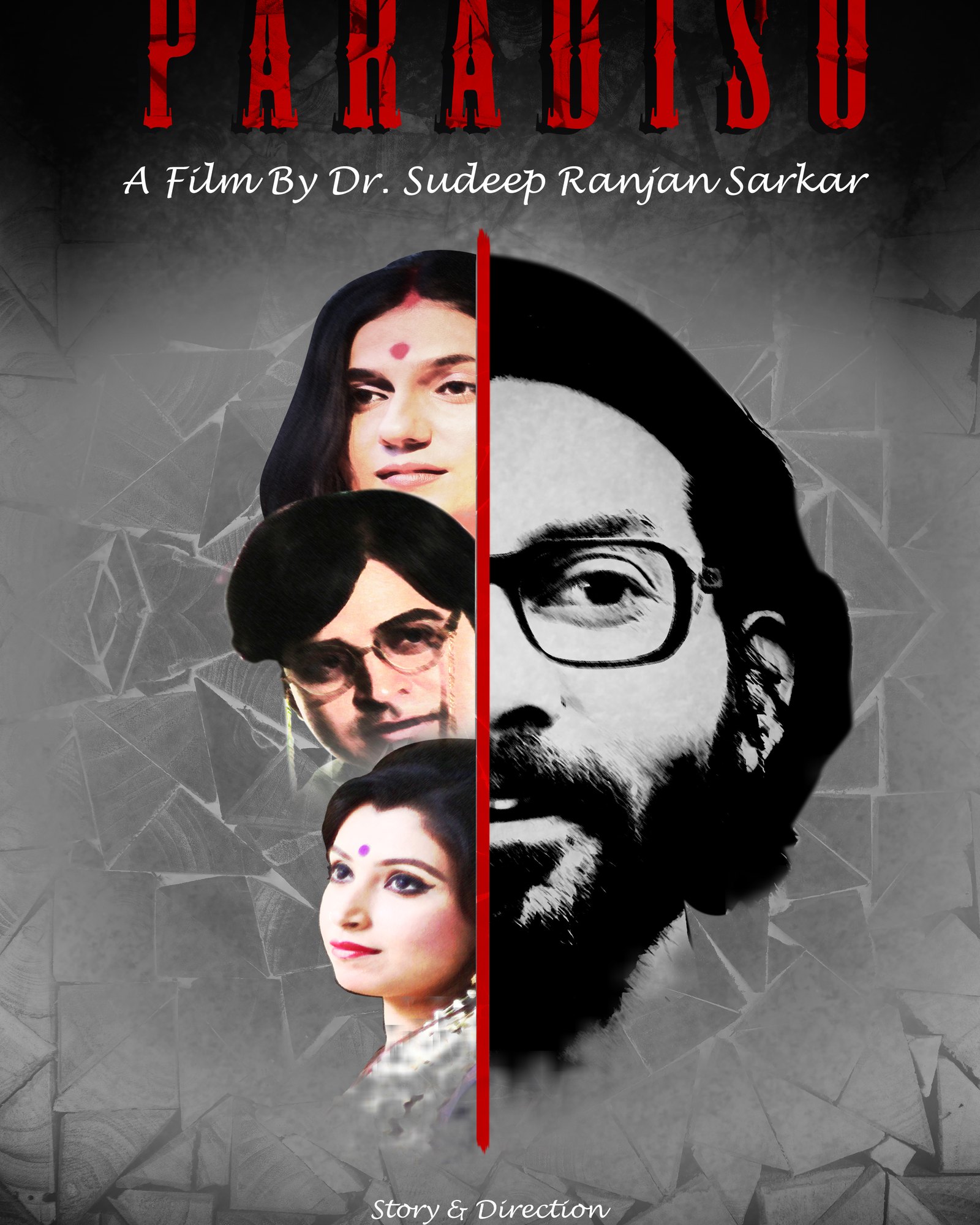
Paradiso, 2017, the second feature
-
Lust, 2018, consciousness questioned by ego, premiered at Cannes
-
Glorious Dead, 2019, shot entirely on a phone
-
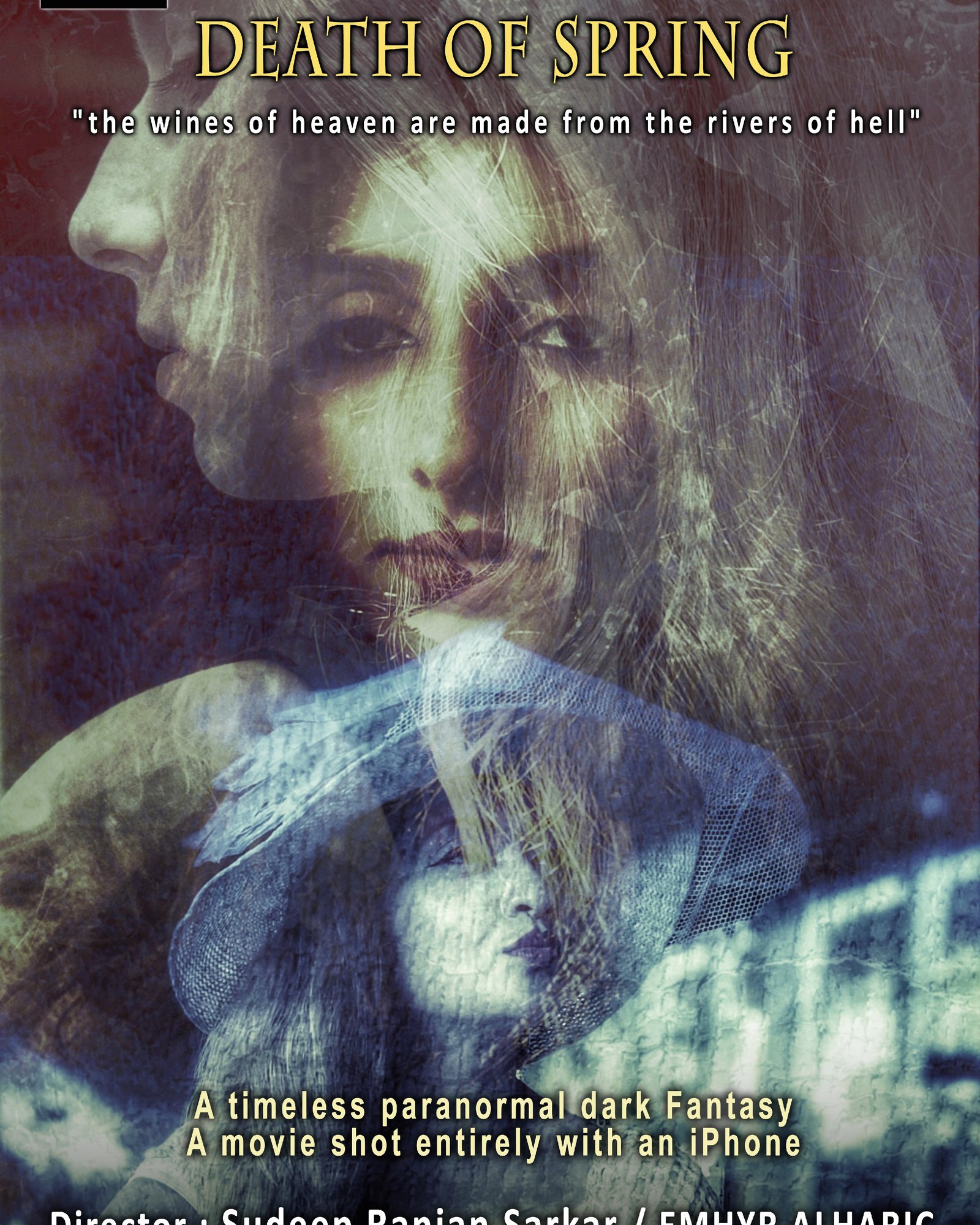
Death of Spring, 2020, shot on a phone in France
-
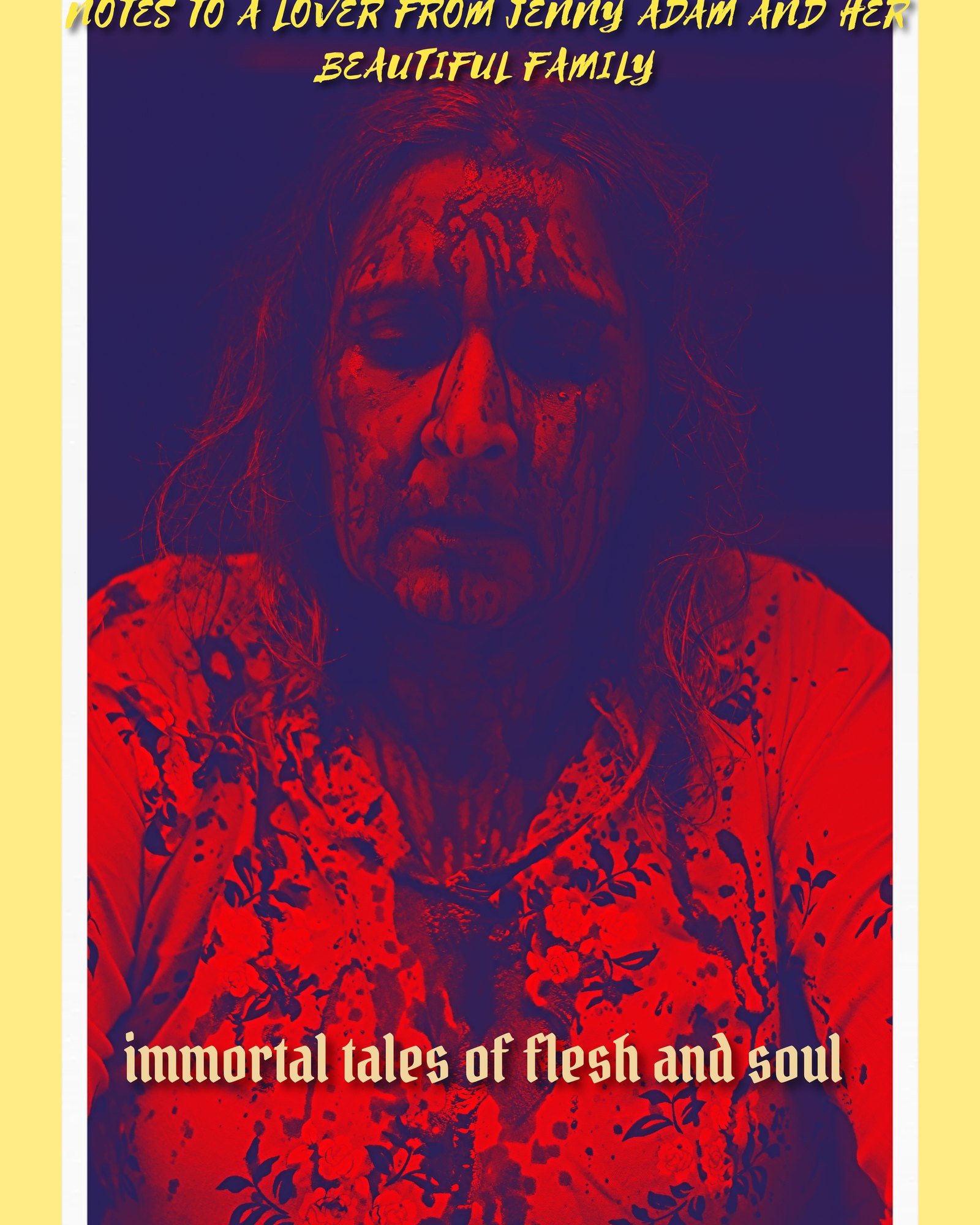
Notes to a Lover, 2022, silent, best director at Dadasaheb Phalke
-
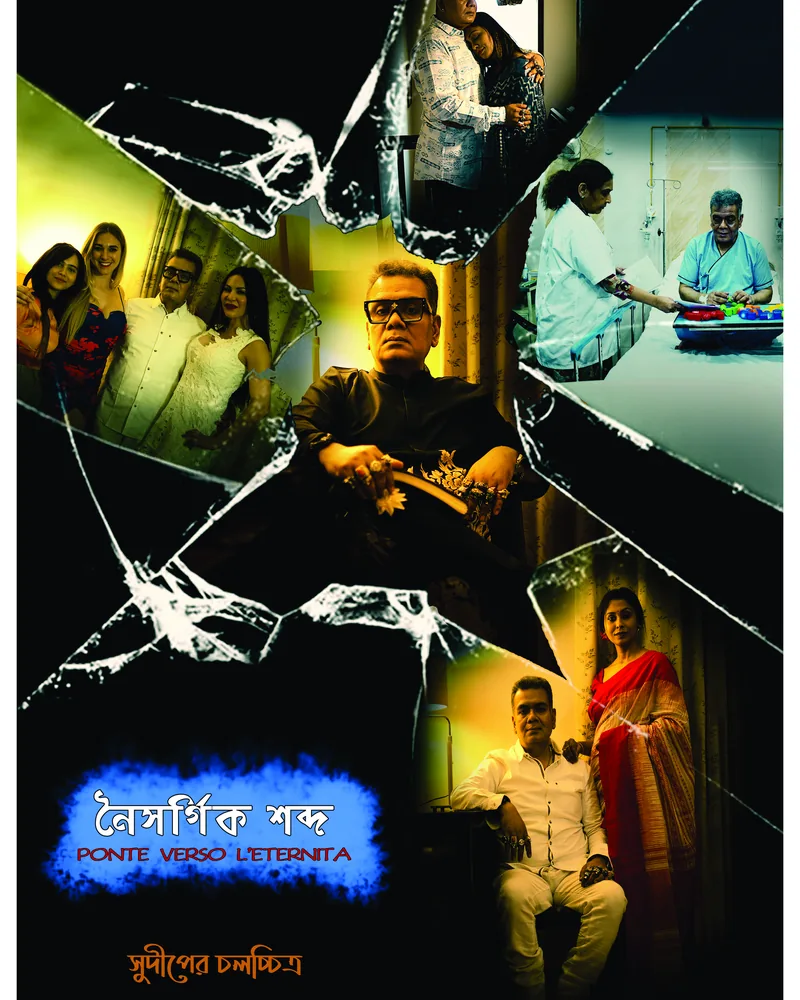
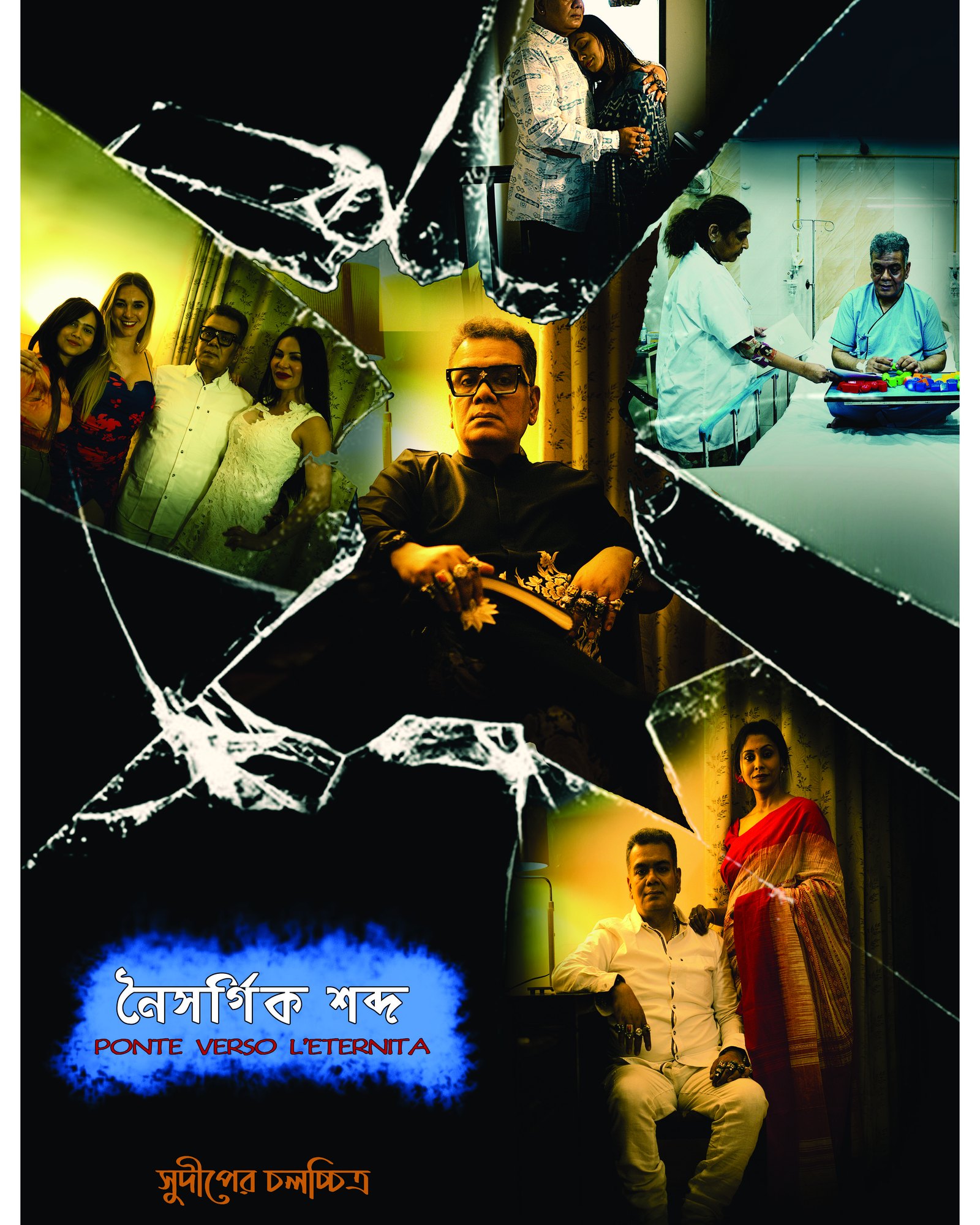
Naisargik Sobdo, Ponte Verso L'Eternita, Sudeep's cinema
Festival circuit · Coming soon to YouTube
-
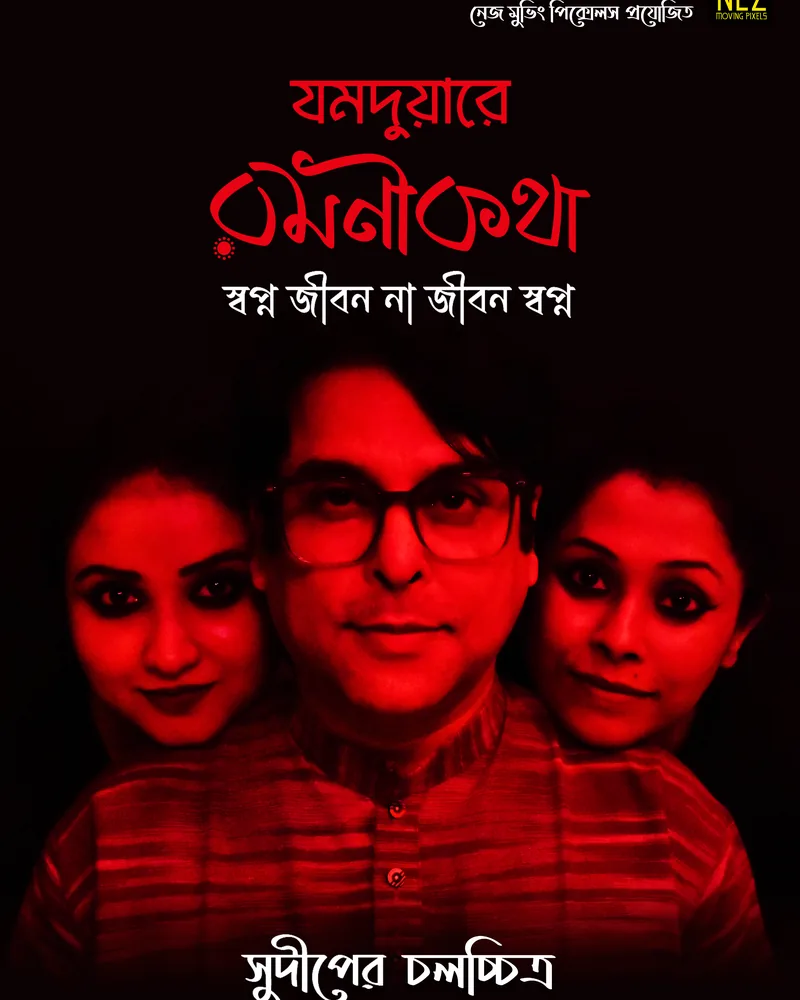
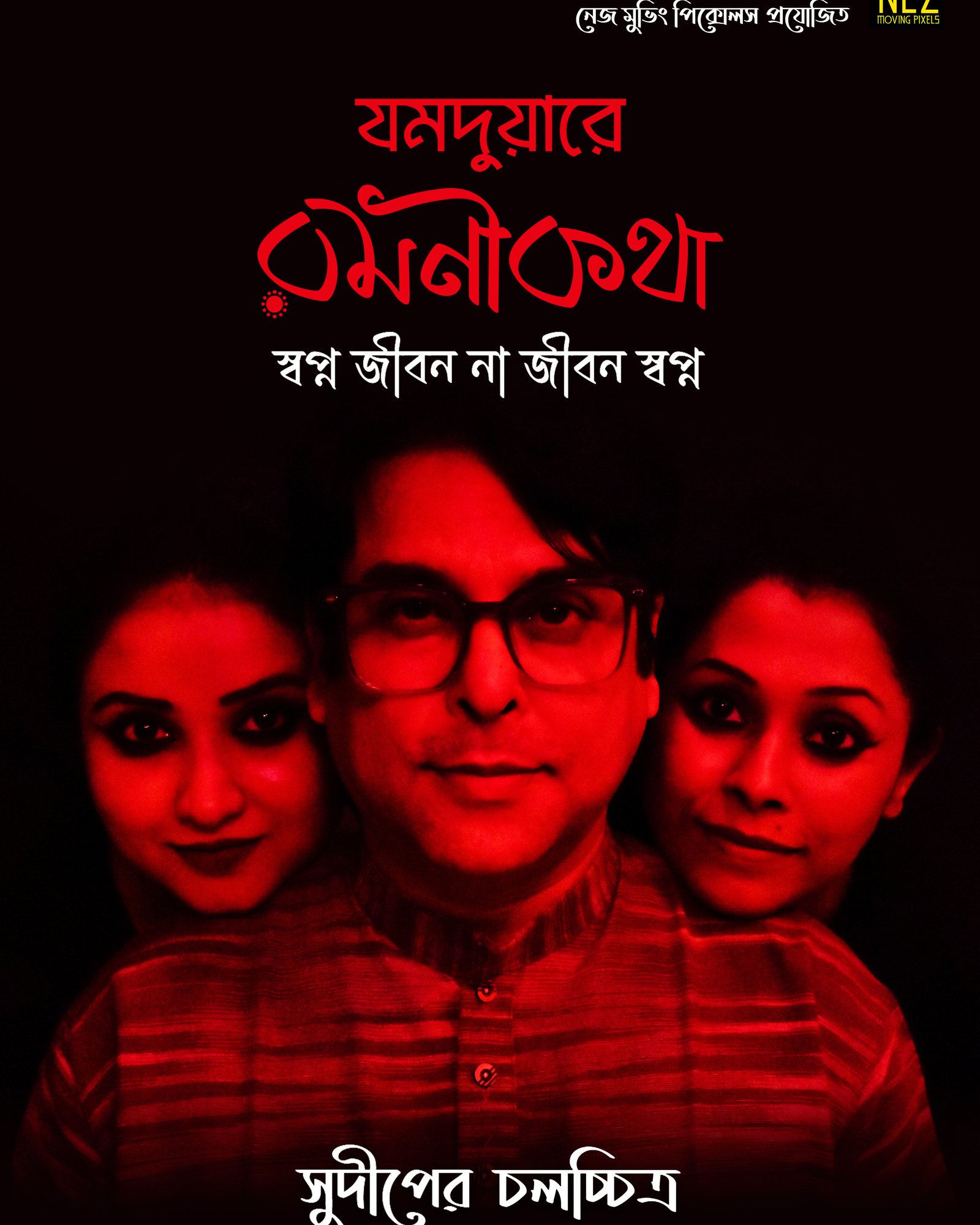
Yamduare Ramanikatha, Swapno Jibon Na Jibon Swapno
In production · Coming soon to YouTube
-
Grassan, Grief of the Sun, in production, Bengali and Italian
-
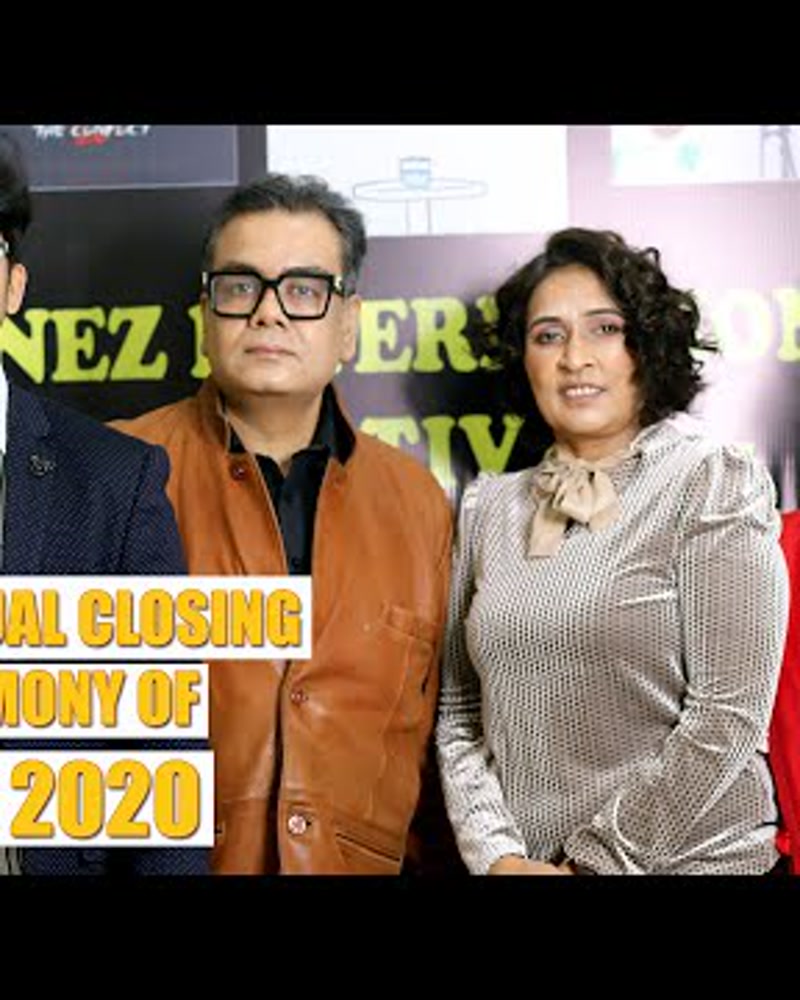
NEZ International Film Festival, a decade of independent cinema

Press, exhibitions and recognition
National and international coverage across leading publications.
- 2025Interview by Christos ArfanisMedium
- 2024Italian actor to play female lead in dual language filmThe Times of India
- 2024Ninth edition focuses on independent cinemaIndiablooms
- 2022City filmmaker wins best director in DelhiThe Times of India
- 2021Blending the spiritual with the sensualThe Citizen
- 2019What it is like to shoot on an iPhoneThe Telegraph
- 2018Film to premiere at CannesThe Times of India
- 2016Monks and sex workers watch premiere of UmformungDNA India
Awards and honours
- 2022Best Director, Jury, for Notes to a Lover from Jenny Adam and Her Beautiful FamilyDadasaheb Phalke Film Festival
- 2019Feted at the American PavilionCannes Film Festival
- 2016Nineteen awards for Umformung, The TransformationAcross festivals
Festival laurels, press features, and critical retrospectives across international and Indian media.
Follow SRS
The one thing this page asks. The personal profiles, in his own hand.